Livestock SA seeks Q Fever vaccination support
Livestock SA wants subsidised Q fever vaccination — here's what the screening, the two-visit protocol and eligibility would actually mean for farmers.
A shearing contractor finishes a run on a sheep property north of Jamestown, shakes hands with the farmer, and heads home with a headache he puts down to the heat. Three weeks later he’s in hospital with a fever that won’t break, and someone finally says the words Q fever out loud. He’d heard of the vaccine. He’d never been told how to actually get it, or that getting it wrong could have made him sicker, not safer.
That gap between knowing a vaccine exists and being able to use it safely is exactly what sits underneath Livestock SA’s push for vaccination support. The request isn’t just “make the vaccine cheaper.” It’s a call to fix a process that currently asks a lot of both farmers and the GPs meant to deliver it.
1. What Livestock SA is actually asking for
Strip away the headline and the ask has two parts. First, financial support so the cost of getting vaccinated doesn’t fall entirely on the person at risk. Second, and less discussed, support for the clinical infrastructure needed to vaccinate people safely — trained GPs, accessible testing, and a process rural patients can actually complete without driving hours more than once.
That second part matters more than it sounds. Q fever vaccination in Australia isn’t a single jab you can get at a pharmacy. It’s a medical pathway with a mandatory screening stage built in precisely because the vaccine can harm people it shouldn’t be given to.
2. The screening step that can’t be skipped
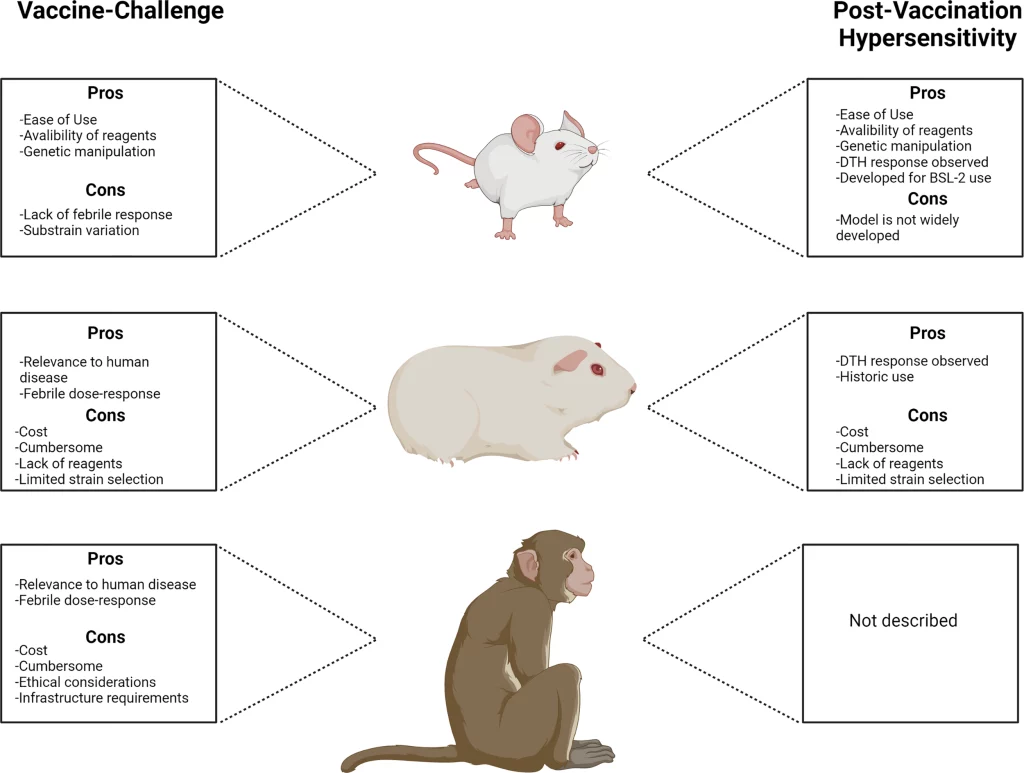
Unlike most vaccines, Q-VAX cannot be given to everyone who wants it. People who have already been exposed to Coxiella burnetii, the bacterium that causes Q fever, carry an increased risk of a severe local reaction if they’re vaccinated anyway, according to research comparing tests for prior Q fever exposure. That’s why current Australian guidelines require pre-vaccination screening using an intradermal hypersensitivity skin test alongside a blood test for antibodies before anyone can receive the injection.
This isn’t a formality. It’s the entire reason the vaccination pathway takes longer and costs more than a standard jab. Skip the screening, and a farmer who had a mild, unnoticed Q fever infection years earlier could end up with a painful, potentially long-lasting abscess-like reaction at the injection site. The screening exists to catch exactly that history before the needle goes anywhere near them.
3. Q-VAX and the two-visit pathway in practice
The vaccine itself is called Q-VAX, and the process around it runs in stages rather than a single appointment. A patient first attends a screening visit where the skin test is placed and blood is taken for serology. The skin test then needs to be read by the same GP roughly a week later, because the reaction develops over days, not minutes. Only once both the skin test and the blood test come back clear can the actual vaccination go ahead, which in practice is often a third visit rather than a tidy two.
That week-long gap between placing the test and reading it is one of the biggest practical barriers identified in the research comparing screening methods. The same study tested whether an interferon-gamma release assay, a blood-based test, could replace the skin test and found it detected every person with a known history of prior exposure in the study population, where the skin test and standard antibody tests did not catch every case. If a validated blood-only approach is adopted more widely, it could collapse the pathway from three contacts down to two, which is a meaningful logistical win for anyone travelling long distances to see a GP at all.
4. Who counts as “at risk” beyond the farm owner
Q fever doesn’t check employment contracts before infecting someone. Farm owners are the obvious target group, but shearing contractors, stock agents, truck drivers who load livestock, family members who help at lambing or calving, and abattoir workers handling the same animals are all exposed to the same bacterium in the same yards and sheds. Any subsidy scheme that only covers the registered farm business owner misses most of the people actually standing in the dust when animals are mustered, drenched or slaughtered.
This is where the design of a subsidy matters as much as its existence. A scheme tied to property ownership would leave out exactly the mobile, casual and contract workforce that moves between properties and arguably carries the broadest exposure risk across a region.
5. The real cost of getting vaccinated today
Right now the financial burden isn’t a single vaccine fee — it’s the sum of every stage in the pathway. A screening consultation, the skin test reading consultation a week later, the laboratory costs for serology, and then the vaccination appointment itself all attract separate charges, on top of whatever travel and time off work each visit demands for someone based well outside a regional centre. There is no single published national cost figure in the current evidence base for what this adds up to per person, which is itself part of the problem Livestock SA is pointing to — farmers are asked to absorb a multi-visit medical process with largely invisible total costs until the bills arrive.
Without a clear published cost model, it’s genuinely difficult for government or industry to design a fair subsidy. That’s an argument for better cost transparency as a first logistical step, not just a bigger rebate cheque.
6. Who shouldn’t get the needle, and the rural access gap
The screening process exists specifically to identify people who should not be vaccinated: anyone with evidence of prior exposure to Coxiella burnetii, whether from a past undiagnosed infection or earlier vaccination. Children and pregnant women are also generally excluded from Q-VAX under current Australian guidance, which creates a genuine access gap in farming families where teenagers work alongside parents in yards and sheds well before they’re old enough to be screened and vaccinated themselves.
In regional areas with one GP clinic serving several hundred kilometres, that exclusion isn’t abstract. It means part of a farming household can be protected while another part — often the people doing just as much hands-on animal work — simply can’t be, at least not yet, and has to rely on other precautions instead.
7. What a workable subsidy would actually require on the ground
A subsidy that only reduces the price of the vaccine dose itself would miss most of the cost and most of the barrier. A workable scheme would need to fund the full pathway: the screening consultation, the serology, the skin test reading visit, and the vaccination appointment, as a single bundled rebate rather than a partial discount on one line item.
It would also need more GPs trained and confident to run the screening and reading process correctly, since the test comparison research itself was motivated by the practical limits of relying on a skin test that takes a week to interpret. And it would need eligibility rules written around exposure risk rather than property title, so contractors, shearers, truck drivers and abattoir staff aren’t left out of a scheme meant to protect the people actually handling livestock.
Do you think a subsidy should follow the person doing the work rather than the name on the farm’s lease, and would a faster blood-only screening test change whether you or your family would finally get vaccinated?