Vigilance urged as first case of bird flu confirmed in Scotland
H5N5, not the usual H5N1, has reached Scotland—here's what that subtype actually means for keepers, eggs, pigeons and geese right now.
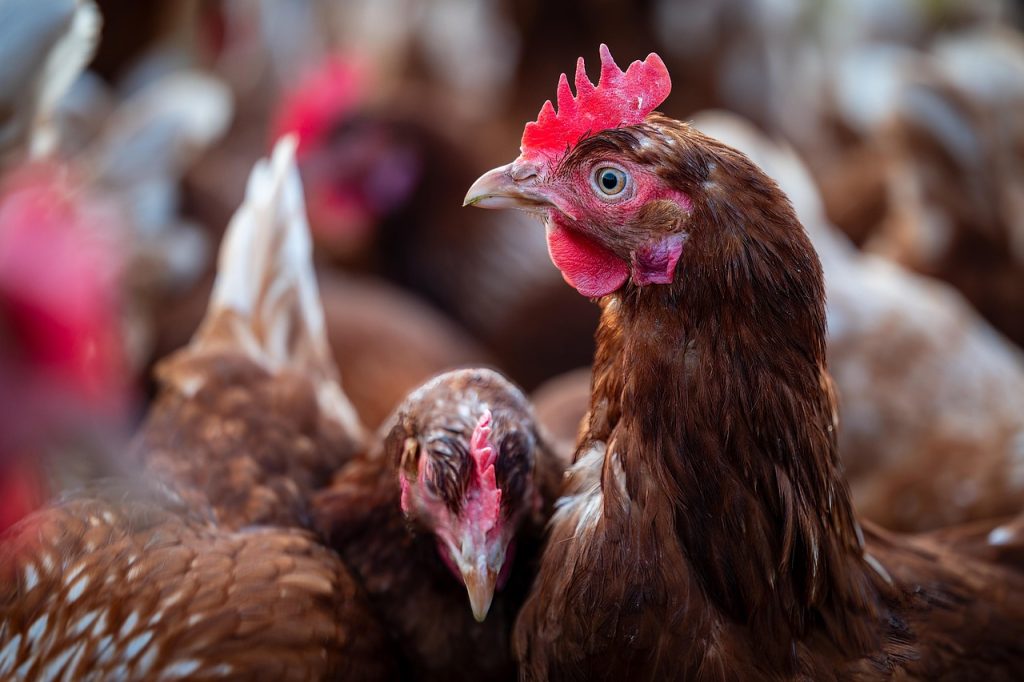
A strain of bird flu that virologists rarely see has just turned up on Scottish soil, and the subtype itself—not just the location—is the reason keepers need to pay close attention.
Confirmation of H5N5 in Ness, Isle of Lewis, has already prompted protection and surveillance zones and biosecurity reminders. What has not been widely explained is why the “N5” part of that name matters at all, whether it changes the advice for someone with six hens in a Perthshire garden, and what the science on related avian flu strains actually tells us about human risk, egg safety and the birds most likely to show symptoms first.
1. H5N5 is not H5N1 wearing a disguise
Influenza A viruses are named for two surface proteins: haemagglutinin (H) and neuraminidase (N). H5N1 has dominated headlines for two decades because it has caused the most documented human infections. H5N5 shares the same H5 haemagglutinin—meaning it belongs to the same highly pathogenic family that devastates poultry flocks—but it carries a different neuraminidase. That single swapped protein changes how the virus buds from infected cells and spreads, and historically H5N5 has been detected far less often in humans than H5N1. There is no large published case series of confirmed human H5N5 infection comparable to the H5N1 or H7N9 literature, which itself is a telling fact: this subtype has stayed almost entirely within bird and some mammal populations rather than jumping repeatedly into people.
That rarity cuts both ways. It means the immediate human health risk from the Lewis case is assessed as low, but it also means scientists have far less real-world data to draw on than they do for H5N1, so caution rather than complacency is the sensible stance.
2. Why most bird flu never becomes human flu
Crossing from birds to people is hard because human airway cells are a poor match for avian virus machinery. Research identifying the human protein BTN3A3 as a potent inhibitor of avian influenza viruses found that this protein blocks early viral replication in human airways, and that only viruses carrying specific mutations at one site on their internal nucleoprotein can evade it. Avian viruses that have caused larger human outbreaks, including some H7 and H9 strains, acquired workarounds to that block. There’s no evidence the Lewis H5N5 virus carries such adaptations, and surveillance exists precisely to check for them.
A review of pandemic potential in H7N9 set out the three things that matter most: the ability to cause human disease, population immunity, and transmission potential between people. Applying that same framework, as the review of H7N9’s pandemic potential does for its own virus, is useful here: H5N5 can clearly cause disease in birds and occasionally mammals, population immunity to any H5 virus is low, but sustained person-to-person transmission has not been documented for this subtype.
3. Is it safe to eat eggs, chicken or shop poultry right now?
Yes. Properly cooked poultry and eggs remain safe to eat, and this has not changed with the Scottish detection. Avian influenza viruses are destroyed by normal cooking temperatures, and UK food standards bodies maintain strict controls preventing meat or eggs from infected flocks entering the food chain. The zones exist to control animal disease spread between birds, not because of a food safety failure. Supermarket and takeaway poultry supply chains are unaffected by this single detection.
Quick tip: if you keep your own hens, cook eggs and meat thoroughly as always, wash your hands after handling birds or cleaning coops, and don’t eat eggs from any bird showing signs of illness—this is sensible year-round hygiene, not a new H5N5-specific rule.
4. Inside the 3km and 10km zones: what actually changes
Only keepers within the declared protection zone (3km) and surveillance zone (10km) around Ness face legal restrictions. Inside these zones, poultry and captive birds generally cannot be moved on or off premises without a specific licence, flocks must be housed or kept isolated from wild birds where practicable, and vets conducting routine visits may need to follow additional biosecurity steps before entering. Selling eggs directly from a zone premises can also require licensing conditions, even for small-scale producers who normally sell informally at the gate or a local market.
Anyone outside the 10km boundary, even a few kilometres away, is not currently under these movement controls. The practical advice for those keepers is the general biosecurity list already circulating—fencing, cleaning, feed enclosure—rather than the zone-specific licensing rules. The difference is not academic: a backyard keeper just outside the line can still sell eggs and move birds normally, while one just inside cannot without contacting the relevant animal health office first.
5. Backyard and pet keepers are not exempt from registration
A common misconception is that biosecurity funding and registration requirements apply only to commercial operations. In Great Britain, all keepers of poultry—including small backyard flocks—are expected to register their birds if numbers meet the threshold, and that registration is precisely what allows animal health officials to contact keepers quickly during outbreaks like this one. Pet or hobby flocks are not automatically excluded in the way certain restricted “special category” premises have been treated in past cases; the default assumption is registration and compliance unless a keeper has formally confirmed an exemption. If you are unsure whether your flock is registered, that is worth checking now rather than during a zone declaration.
6. Pigeons and geese don’t show the same warning signs as hens
Advice aimed at chicken keepers doesn’t map neatly onto waterfowl or pigeons. Geese and ducks can carry and shed avian influenza while looking relatively well for longer, because waterfowl have historically been identified as a key reservoir and spreader of H5 viruses. Work tracking satellite-tagged waterfowl alongside H5N1 risk mapping in South Asia found that domestic duck populations were the leading factor explaining where the virus persisted, with migratory species forming a direct spatial link between outbreak hotspots—underscoring why wild and domestic waterfowl deserve closer watching, not less, even when they seem outwardly healthy.
In pigeons, watch for sudden lethargy, greenish droppings, swelling around the head or neck, and a marked drop in food or water intake. In geese and ducks, sudden deaths in a previously healthy group, a sharp fall in egg production, or uncoordinated movement are the stronger signals, since respiratory symptoms can be subtler than in chickens. Any of these should be reported promptly rather than monitored for a few days.
7. Could housing orders follow, and what should keepers do in the meantime?
Housing orders—requiring all keepers across a wider region, not just the zones, to bring birds indoors or net them away from wild bird contact—have followed single detections before when risk assessments shift. Whether that happens here depends on further test results and wider wild bird surveillance findings over coming weeks, not on this one Lewis case alone. Keepers everywhere, inside or outside zones, should treat the coming weeks as a trigger to actually implement the biosecurity basics rather than just read about them: raise feed and water off the ground, limit standing water that attracts wild waterfowl, and keep a visitor log for anyone entering bird enclosures.
A small but important point from the human-infection literature: even in well-documented H5N1 outbreaks, a Cambodian village investigation found 1.0% of 674 tested residents were seropositive for H5N1 antibodies without reporting severe illness, and risk was concentrated among those with the closest, most direct contact with infected flocks. That is a different virus and a small, specific study, but it reinforces the consistent lesson across avian flu subtypes: risk rises sharply with close, prolonged contact, and falls just as sharply with basic separation and hygiene.
None of this changes the food on your plate or turns a single Lewis detection into a public health emergency. But knowing precisely why H5N5 behaves differently from H5N1, who is actually bound by the zone rules, and what pigeons and geese look like when they’re sick, gives keepers something more useful than general vigilance: a clear, practical checklist for exactly where they stand.
Sources
- The pandemic potential of avian influenza A(H7N9) virus: a review (2015)
- Risk factors associated with subclinical human infection with avian influenza A (H5N1) virus—Cambodia, 2006 (2009)
- BTN3A3 evasion promotes the zoonotic potential of influenza A viruses (2023)
- Flying over an infected landscape: HPAI H5N1 risk in South Asia and satellite tracking of wild waterfowl (2010)

Member Stories
Breeder profiles and member stories from across the Australian Wiltshire Horn community.