Royal warrant knitter to lead Campaign for Wool
Ian Maclean now chairs Campaign for Wool after Peter Ackroyd's death — here's who he is and what actually changes.
You pick up a jumper in a shop, turn back the collar out of habit, and there it is: a small crest, the words “By Appointment”, a reminder that somewhere behind this garment sits a supply chain old enough to have outlasted several monarchs. Most people glance past it. Few ever ask who actually runs the organisations behind those crests, or what happens when the person steering a national campaign built on wool suddenly has to be replaced.
That question has just become real for Campaign for Wool, the initiative that promotes British and global wool to shoppers and designers alike. Ian Maclean has taken over as chairman, stepping into a role left vacant by the death of Peter Ackroyd. Here is what that actually means, in plain terms, for the organisation and for anyone who cares where their wool comes from.
Who is Ian Maclean, and why has he taken over Campaign for Wool?
Ian Maclean is a senior figure in British knitwear manufacturing, drawn from a company that holds a royal warrant for its knitted goods. Royal warrant status is only granted to firms that have supplied the royal household over a sustained period and met strict standards of quality and service, so reaching a senior position inside such a company already means years spent inside the practical end of the wool trade — sourcing fibre, managing mills, understanding what buyers and retailers actually want from a finished garment, not just the marketing language around it. That background is precisely why someone in his position is a natural fit to chair a campaign whose entire purpose is persuading the public that wool is worth choosing over synthetic fibres.
What does “royal warrant knitwear” actually mean, and why does it matter here?
A royal warrant tells you a company has supplied goods or services to the royal household for a significant period and been judged reliable enough to keep doing so, not that it is simply well known or expensive. For a knitwear maker, that typically means decades of consistent quality in spinning, dyeing and knitting, plus the kind of long-term commercial relationship that only survives if the product keeps performing. For Campaign for Wool, having a chairman who comes from inside that world is a credibility signal to retailers and designers the campaign is trying to win over: this is not an outside promoter talking up a product in the abstract, it is someone who has had to meet royal household standards on fibre quality himself.
Who was Peter Ackroyd, and why does his departure matter?
Peter Ackroyd led Campaign for Wool through a period in which the organisation grew from a single autumn Wool Week into a month-long campaign recognised across the fashion and interiors trade, and his death leaves a gap that goes beyond simply filling a job title. Chairing a campaign like this depends heavily on personal relationships built up over years with growers, spinners, retailers and designers, and those relationships do not transfer automatically with a new appointment. Whoever follows an established chairman inherits the campaign’s reputation but has to rebuild the trust and day-to-day contacts largely from scratch.
What does a Campaign for Wool chairman actually do, day to day?
The chairman sets the campaign’s priorities for the year and acts as its public face to the industry, deciding which partnerships, events and retail tie-ins are worth the organisation’s limited time and goodwill. In practice that means agreeing which designers or retailers to work with for the October campaign period, representing wool’s interests in conversations with government and trade bodies, and making the call on where the campaign’s energy goes when it cannot do everything at once — a scarf collaboration, a bunting project, a push into interiors, or a renewed focus on raising the price farmers get for their fleece. It is less a ceremonial title than a constant set of trade-offs between promotion, politics and practical industry support.
The real test of a new chairman at Campaign for Wool is not whether wool gets talked about more, but whether that talk turns into retailers actually stocking more of it and farmers actually being paid more for it.
Does this appointment signal any change in direction for the campaign?
A manufacturing-side chairman tends to shift emphasis toward the commercial end of wool’s story — supply chains, retail partnerships and product quality — rather than purely the environmental messaging that has dominated recent campaign material. That does not mean the sustainability argument disappears; wool’s case as a natural, renewable, biodegradable fibre remains central to why the campaign exists at all. But someone who has spent a career inside a knitwear business is likely to push harder on getting wool into more shop rails and showrooms, because that is the measure of success he will instinctively trust most. Readers should expect the campaign’s public messaging to stay broadly familiar in the short term, with any real shift showing up more in which brands and retailers it partners with over the coming year.
How are royal warrant holders chosen, and why does that credential carry weight in this role?
Royal warrants are granted through a formal process overseen on behalf of the royal household, based on a company’s track record of supply, quality and reliability over an extended period, and they can be withdrawn if standards slip. That selectiveness is exactly why the credential matters for a Campaign for Wool chairman: it is one of the few trade marks that cannot be bought, rushed, or spun through marketing, only earned through years of consistent performance. For an organisation trying to convince shoppers that wool deserves a premium over cheaper synthetic alternatives, having a leader whose own career has already survived that level of scrutiny is a useful piece of credibility, even if most buyers in a shop will never know the details behind the crest on the label.
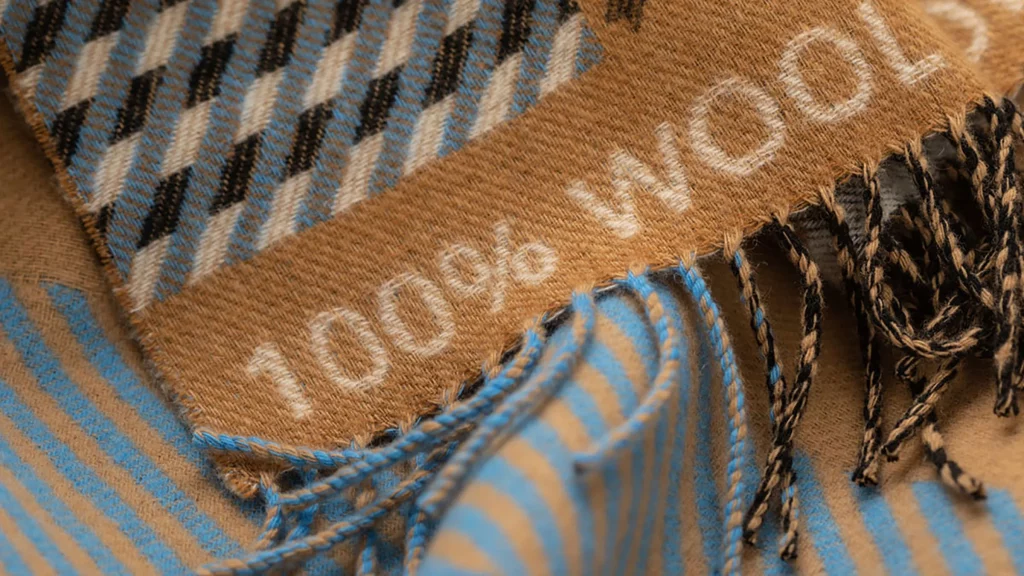
Quick tip: next time you are choosing a jumper, scarf or blanket, check the fibre label rather than the brand name alone — “100% wool” behaves very differently in washing and warmth from a wool-blend that is mostly synthetic, and that distinction matters far more to how the garment performs than whichever royal warrant, if any, sits on the swing tag.
What should readers actually watch for next?
The clearest sign of direction under the new chairmanship will come with the next Wool Month in October, when the campaign reveals which retailers, designers or regional wool groups it has chosen to work with. That line-up, more than any statement, will show whether Ian Maclean is steering Campaign for Wool toward deeper retail partnerships, renewed support for farmers, or simply continuity with the approach Peter Ackroyd built. Until then, the honest answer is that the appointment changes who holds the pen, but the real test is still to come.