Feedgrain Focus: Patchy rain a mixed blessing
Who actually gains and who loses from the patchy eastern rain, with rough timing and dollar stakes laid out paddock by paddock.
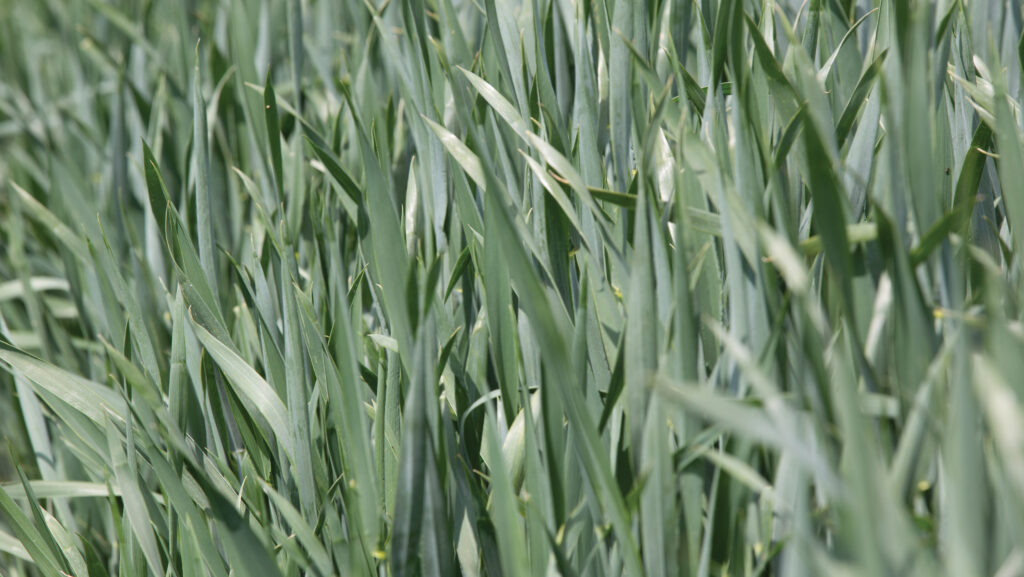
A grower on the Liverpool Plains stands at the edge of a wheat paddock that was ten days from the header, phone in hand, watching a radar blob sit stubbornly over the next valley and refuse to cross the ridge onto his place. His neighbour, three kilometres away, got twenty millimetres overnight and is now recalculating his sorghum program with something close to relief. Same rain event, same week, two completely different outcomes. That gap is the real story, and it is the one worth sitting down and working through properly rather than waving away as simply good news and bad news mixed together.
The phrase “mixed blessing” is accurate as far as it goes. It just doesn’t tell a grower or a trader anything they can act on. What matters is which paddocks, which crops, and which part of the calendar the rain landed on, because those three things determine whether a given farm business is better off or worse off this season, and by roughly how much.
The sorghum window just got wider
For growers in the northern cropping belt who were still deciding whether to commit country to summer sorghum, the rain has done the one thing that matters most at this point in the season: it has put moisture into the profile at planting depth. Sorghum is forgiving of a dry start if the subsoil has something in reserve, and a decent planting rain now can be the difference between a crop that is planted on spec and a crop that is planted with genuine confidence behind it. Growers who had shelved summer crop plans, or were only going to plant a token area, are the clearest winners here. The upside isn’t locked in yield yet, since sorghum still has a long season of risk ahead of it, but the planting opportunity itself has real value, because a missed planting window in a dryland system cannot be bought back later.
Late-fill wheat and barley: a genuine top-up, if it arrives in time
Further south, in paddocks where wheat and barley are still filling grain rather than standing mature and dry, the rain has done something equally valuable but less visible: it has kept grain fill going a little longer. A crop that was tracking toward a lighter finish, with yield prospects wearing down week by week under heat and moisture stress, can pick up extra bushels when a rain event arrives inside the fill window rather than after it. This is the top-up effect southern agronomists have been pointing to, and it is real, but it is also time-limited. Rain that falls while the crop is still green and the head is still accumulating dry matter is additive. The same rain falling a fortnight later, once the crop has already hayed off and matured, does nothing for yield and starts working against the grower instead.
Where the same rain turns into a cost, not a gain
This is the part of the story that gets skipped over in a one-line “mixed blessing” summary, and it’s where the real financial exposure sits. For crops that were already mature and standing, waiting on a header, rain is not neutral. It is a direct threat to grain quality. Wheat sitting ready for harvest can pick up weather staining, suffer sprouting if the moisture persists and temperatures are warm, and in some cases see protein diluted as the grain rehydrates and the plant’s chemistry shifts. Each of those outcomes can knock a parcel out of a milling or malting grade and into a feed grade, which is not a cosmetic downgrade, it is a straight cut to the price per tonne the grower receives, sometimes a very large one depending on how far down the grade ladder the parcel falls.
Barley is particularly exposed on this front because malting premiums are unforgiving of staining and sprouting, and a parcel that was tracking for a malting contract can slip to feed quality within days of an ill-timed rain event. Growers sitting on grain that was close to ready need to be realistic about this risk rather than assuming the rain is simply a bonus.
Hay growers are absorbing damage right now
In the south, hay cut and lying in the paddock, or standing cured and ready to bale, has already taken a hit from this rain, and that part of the picture is well understood. What is less often spelled out is why it matters so much financially. Hay quality is graded on colour, leaf retention and absence of mould or must, and all three of those can deteriorate fast once cured material gets wet. A paddock that was destined for a premium export or dairy hay market can drop to a lower feed-value grade in a single rain event, and unlike grain, hay cannot simply be redried and sold at the original grade. The value is lost at the point the rain falls, not recoverable later.
The cash flow and contract squeeze nobody talks about
Delayed harvest has a cost that sits outside the yield and quality ledger entirely. Every day a header sits idle because paddocks are too wet to travel is a day of fixed costs, machinery finance, casual labour, contract harvester bookings, running regardless of whether grain is coming off. Growers who have forward-sold tonnage against a delivery window can face real friction if harvest slips past contract dates, and storage becomes its own cost when grain that should have gone straight to a buyer instead needs to sit in on-farm storage, sometimes with added drying costs if it came off above moisture specification. None of this shows up in a simple yield number, but it shows up on the bank statement.
| Situation | Effect of patchy rain | Timing sensitivity |
|---|---|---|
| Sorghum not yet planted | Improved planting moisture, wider window | Helps now, risk remains through season |
| Wheat/barley still filling grain | Potential yield top-up | Must fall before maturity to help |
| Wheat/barley mature, awaiting harvest | Quality downgrade risk, grade and price cut | Any rain now is a cost |
| Cut or cured hay | Colour and grade damage, value loss | Damage is immediate and permanent |
| Harvest in progress | Delays, added cost, contract delivery risk | Cost accrues daily |
Who this rain does not help
Two groups need to be honest with themselves about where they actually sit. The first is growers who have already desiccated crops ahead of harvest, locking in a maturity timeline that rain now cannot reverse and can only complicate through delayed header access and quality risk. The second is growers in frost-prone country who were counting on a dry, open finish to avoid late frost events; extended moisture and cloud cover can actually raise the odds of a damaging frost snapping back once clear skies return, which is the opposite of what a “mixed blessing” headline implies for everyone equally.
Back on the Liverpool Plains, the grower watching that radar blob eventually did get a few millimetres, enough to soften the ground but not enough to need to worry about staining. His neighbour’s sorghum went in a week later, into decent moisture, full of cautious optimism. Neither of them would call the week’s weather simply good or bad. They’d call it exactly what it was, rain that helped one paddock and cost the other, and they’d want to know which side of that line their own country actually landed on.
Where did this rain leave you, ahead on yield, behind on quality, or still waiting to find out which one it will be?

Flock & Breeding Desk
Writing on breeding, lambing, nutrition and day-to-day flock management for Wiltshire Horn producers.