Preview: McEnaney Livestock gears up for inaugural premium breeding heifer sale
Before bidding at the Corvalley Classy Lassies sale, know what you're really paying for, and what risks maiden and in-calf heifers each carry.
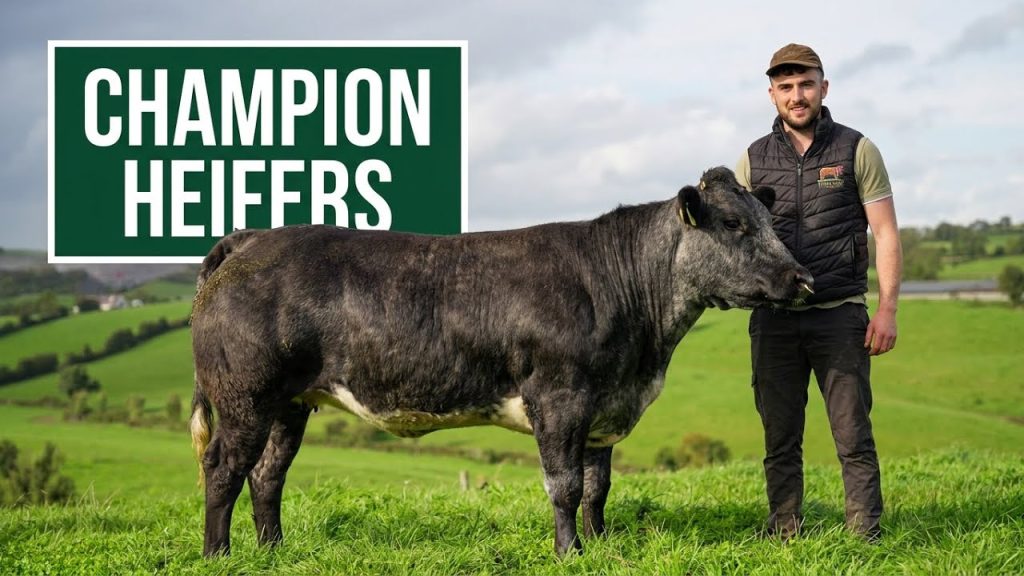
If you’re planning to raise your hand at the Corvalley Classy Lassies sale, do you actually know what you’d be buying, or just what you’d be hoping for?
The short answer: a maiden heifer and an in-calf heifer are two different investments with two different risk profiles, and treating them the same at the ringside is how buyers overpay or end up disappointed.
A premium breeding heifer sale is not like a store sale or a factory-bound draft. Buyers are not paying for kilos on the day; they’re paying for what an animal will produce over the next five to eight years, and for the breeding decisions that have already been made on her behalf. That changes everything about how you should budget, inspect and bid.
Maiden Heifers: Buying Potential
A maiden heifer is, in effect, a promise. She hasn’t calved, hasn’t been milked or suckled a calf, and hasn’t proven she can get back in calf easily. What you’re buying is pedigree, conformation, frame and the breeder’s track record. For a heifer bred off recognised AI sires with a show-background dam line, that promise commands a premium over a plain commercial heifer of unknown breeding, but it is still a promise rather than a result.
Age and development matter enormously here. Most beef and dual-purpose maiden heifers are not bred until they reach roughly 60-65% of their mature bodyweight, which commonly works out at around 15 to 18 months of age depending on breed and growth rate. Bred too young or too light, a heifer can struggle to calve down safely and her own growth suffers; bred too late, she costs more to carry before she ever earns her keep. A heifer bought now at the right weight and age for her breed should be on target to calve for the first time at roughly 24 to 27 months old, which is the benchmark most efficient commercial herds are working towards.
The risk with maidens is straightforward: nothing is guaranteed yet. She could fail to hold to AI, calve into difficulty despite careful sire selection, or simply not suit your system once she’s milking or suckling. That uncertainty is exactly why maiden heifers typically sell for less than a comparable in-calf heifer from the same breeding background — you are being compensated for taking on the unknown.
In-Calf Heifers: Buying Certainty
An in-calf heifer has already cleared the first hurdle: she’s confirmed in calf, and in a well-run sale she’ll usually be sold with a stated due date or at least a known stage of pregnancy. That is information you must ask for and verify, because it tells you two critical things — how soon she’ll start earning, and how much of the pregnancy risk has already passed. A heifer confirmed at four or five months into gestation has cleared most of the early embryonic loss window; one only recently served carries noticeably more uncertainty between now and calving.
This is also where “easy-calving” sire selection earns its keep. When a catalogue or seller describes AI bulls as easy-calving, it should mean those sires carry a favourable calving ease rating — bred specifically to produce calves with lower birth weights and more unassisted calvings in heifers. It does not mean zero risk. Calving ease figures are statistical averages across many heifers, not a guarantee for any single animal, and a heifer’s own pelvic size, condition and management in the final weeks still matter enormously. Ask what sires were used, and if calving ease information is available, treat it as a risk-reducer, not a warranty.
The single most useful thing a buyer can do at a premium breeding sale is separate the price of proven breeding from the price of future hope — and budget more caution into the hope.
Fertility guarantees and health status are the other piece too many buyers skip. At a well-run premium sale, in-calf heifers should come with some confirmation of pregnancy testing and ideally a stated herd health status covering the usual trade-sensitive diseases. Ask directly whether any fertility warranty applies if a heifer is later found not in calf, or slips the pregnancy before calving, and get the answer before you bid, not after you’ve paid.
| Factor | Maiden Heifers | In-Calf Heifers |
|---|---|---|
| What you’re paying for | Pedigree, conformation, future potential | Pedigree plus a confirmed pregnancy |
| Typical price position | Lower than in-calf equivalents from same source | Carries a premium for certainty and nearer return |
| Time to first income | Needs breeding, then roughly 9 months to calving | Shorter wait, depending on stage already carried |
| Main risk | May not hold to AI; calving outcome unknown | Could still slip pregnancy or have a difficult calving |
| Key questions to ask | Age, weight, breed suitability for first service | Service/AI date, sire used, calving ease rating, health status |
| Best suited to | Buyers with time to grow a replacement their own way | Buyers who want a herd addition calving down soon |
Set against the wider Irish trade, premium commercial in-calf heifers with known AI breeding and genuine calving ease credentials generally make noticeably more than plain, unrecorded in-calf heifers sold through ordinary store sales, while good maiden heifers from a recognised breeding programme still sell ahead of commercial maidens of unknown background. The gap between a “plain” heifer and a well-documented one is real money, and it is earned through exactly the kind of traceable AI breeding, health recording and calving-ease sire selection that a dedicated premium sale is built around.
Budgeting, then, is less about chasing a single expected price and more about building your own ceiling before you arrive. Work out what a heifer is worth to your system based on how soon she’ll calve, how much calving-ease risk you’re comfortable carrying, and whether you have the facilities and time to manage a maiden through her first service and calving versus simply integrating an in-calf heifer that’s already most of the way there. Walk the pens on viewing evening with that figure fixed in your head, not a figure that moves with the excitement of the ring.
Verdict
Neither option is automatically the smarter buy. A maiden heifer suits a buyer with time, facilities and a long-term view who wants to shape a replacement from scratch and is willing to carry the breeding and calving risk for a lower entry price. An in-calf heifer suits a buyer who wants near-term certainty, is prepared to pay for it, and does the homework on service dates, sire calving ease figures and any fertility guarantee before bidding. Either way, the real skill at a premium sale isn’t spotting the best-looking heifer in the ring — it’s knowing exactly what risk you’re buying along with her, and pricing that risk into your bid before the hammer falls.

Flock & Breeding Desk
Writing on breeding, lambing, nutrition and day-to-day flock management for Wiltshire Horn producers.