Strong uptake of EID for sheep and goats in NSW
Tag sales are up, but tags bought isn't tags working - here's what's still missing before the 2027 deadline hits.
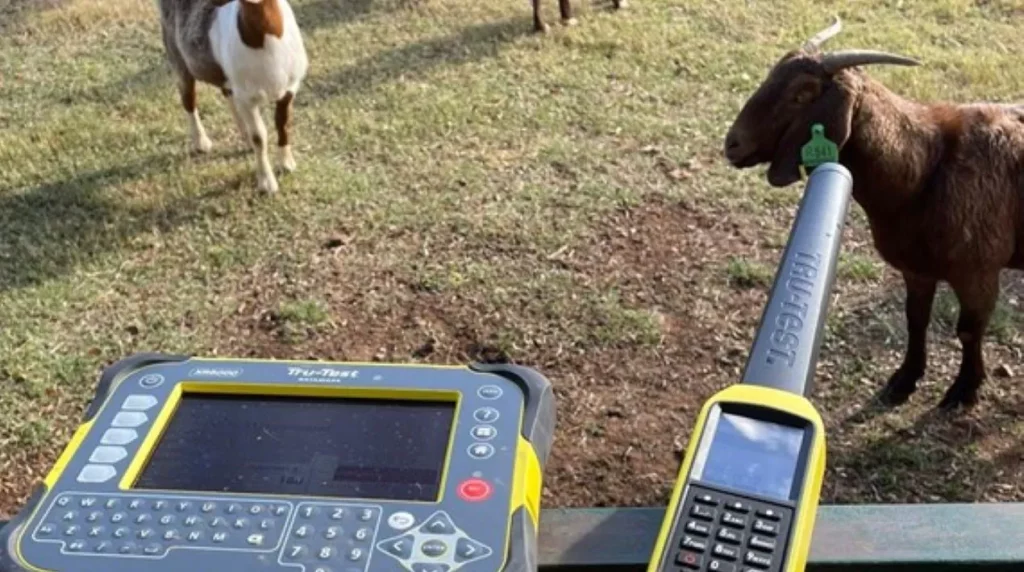
You bought the tags. A box of them sits in the shed, next to the applicator you picked up at the same time because the salesperson said you’d need it eventually. You’ve even run a mob through the race and clipped a few hundred into ears. Does that mean you’re compliant? Does it mean the tag you just applied is actually sitting in the national database against your property, ready to be read at a saleyard or abattoir in 2027? For a lot of producers, the honest answer is “probably, but nobody has checked.”
That gap between buying the technology and having it work end to end is the part the uptake headlines don’t measure. A purchased tag is not a scanned tag. A scanned tag is not a tag that has uploaded cleanly to the NLIS database. And a flock that goes through a major saleyard with good infrastructure is not the same population as the backyard goats, the private sale mob, or the ewes sold directly off the truck to a processor. This article is about the parts of the transition that strong headline numbers tend to smooth over.
Step 1: Work out whether your existing stock needs retagging
Sheep and goats already carrying a visual-only NLIS tag do not automatically become eID-compliant just because the mandate date arrives. A visual tag has no electronic chip in it, so it cannot be scanned by a reader or logged electronically at a saleyard or processor. Once the 1 January 2027 requirement applies to all sheep and goats leaving a property, animals still wearing only a visual tag will need an eID tag applied before they can legally move.
Tip: Don’t wait for a sale to discover this. Walk your yards now, physically check a sample of your older mob for tag type, and budget the retagging job as a distinct task separate from tagging this year’s lambs or kids.
Step 2: Check your tag is actually being read, not just applied
Applying an eID tag correctly in the ear is only the first half of the job. The tag then has to be read by a panel or wand reader, and that read has to be captured by software and uploaded to the database, linked to the correct property identification code and the correct movement record. Any break in that chain, a reader with a flat battery, a software sync that silently fails, a movement recorded on paper instead of electronically, means the animal looks tagged but isn’t actually traceable.
Tip: If you’ve bought a reader, run a test batch through it and confirm the reads appear in your NLIS account before you rely on it for a real consignment. Don’t assume the equipment works just because it’s new.
Step 3: Price the whole system, not just the tag
The cost conversation usually stops at the tag itself, which is the cheapest part of the system. The real cost sits in the reader hardware, the software or subscription needed to manage and upload data, and the labour of actually running stock through a race twice (once to tag, potentially again to scan and sort). For a small flock, a stick reader and basic software might be a manageable one-off outlay spread over years of use. For an operation turning stock over constantly, or one relying on contractors to do the tagging, that cost recurs every season and is harder to defer.
Tip: Get a real quote for a panel or wand reader and any subscription software before assuming eID is “just a tag cost.” Factor in who pays, because in many supply chains that cost currently sits with the producer, not the buyer.
Step 4: Don’t assume saleyard numbers describe your situation
Large saleyards with heavy throughput have invested in panel readers, trained staff, and established data pipelines, so naturally their tagging and reading rates look strong. That tells you almost nothing about a private sale between neighbours, an on-farm transfer to a family member’s block, or a mob sent direct to a processor without passing through a saleyard at all. None of those pathways generate the same visible, countable data that saleyard statistics are built on.
Tip: If most of your stock moves privately or direct to processor, treat the saleyard uptake figures as irrelevant to your own risk. Ask your processor or buyer directly what eID reading infrastructure they actually have in place.
Step 5: Identify if you’re a hobby or backyard producer who thinks the rule doesn’t apply
Small-scale and backyard goat and sheep keepers are often invisible in uptake statistics because they rarely pass through the saleyard system that generates the headline numbers. Some assume that because they sell only occasionally, or keep a handful of animals for the house paddock, the mandate is aimed at commercial operations and not them. The requirement is tied to movement off the property, not herd size or whether the operation is run commercially.
Tip: If you sell, give away, or transport even a single sheep or goat off your property, treat yourself as subject to the same deadline as a large commercial producer, and get a property identification code sorted now if you don’t already have one.
Common mistakes producers are making right now
- Buying tags in bulk and assuming that purchase equals compliance, without ever testing the reading and upload side of the system.
- Leaving older stock on visual-only tags until a sale is imminent, then discovering a large retagging job has to happen under time pressure.
- Underestimating the ongoing cost of readers and software because early conversations focus only on the price of the tag itself.
- Assuming strong saleyard statistics mean the whole supply chain, including private sales and direct-to-processor movements, is equally prepared.
- Believing small or hobby operations are exempt in practice, when the rule is about any movement off the property, not scale or intent.
The uptake numbers coming out of major saleyards are real, and they do show genuine momentum. But a tag bought is not a tag working, a visual tag is not an eID tag, and a well-equipped saleyard is not a private sale paddock or a backyard pen. The gap between “strong uptake” and “fully compliant” is exactly where producers who feel reassured by headlines are most likely to get caught out once the 2027 deadline actually arrives.

AWHSA Editorial
The editorial desk of the Australian Wiltshire Horn Sheepbreeders Association, covering breed news and association updates.